
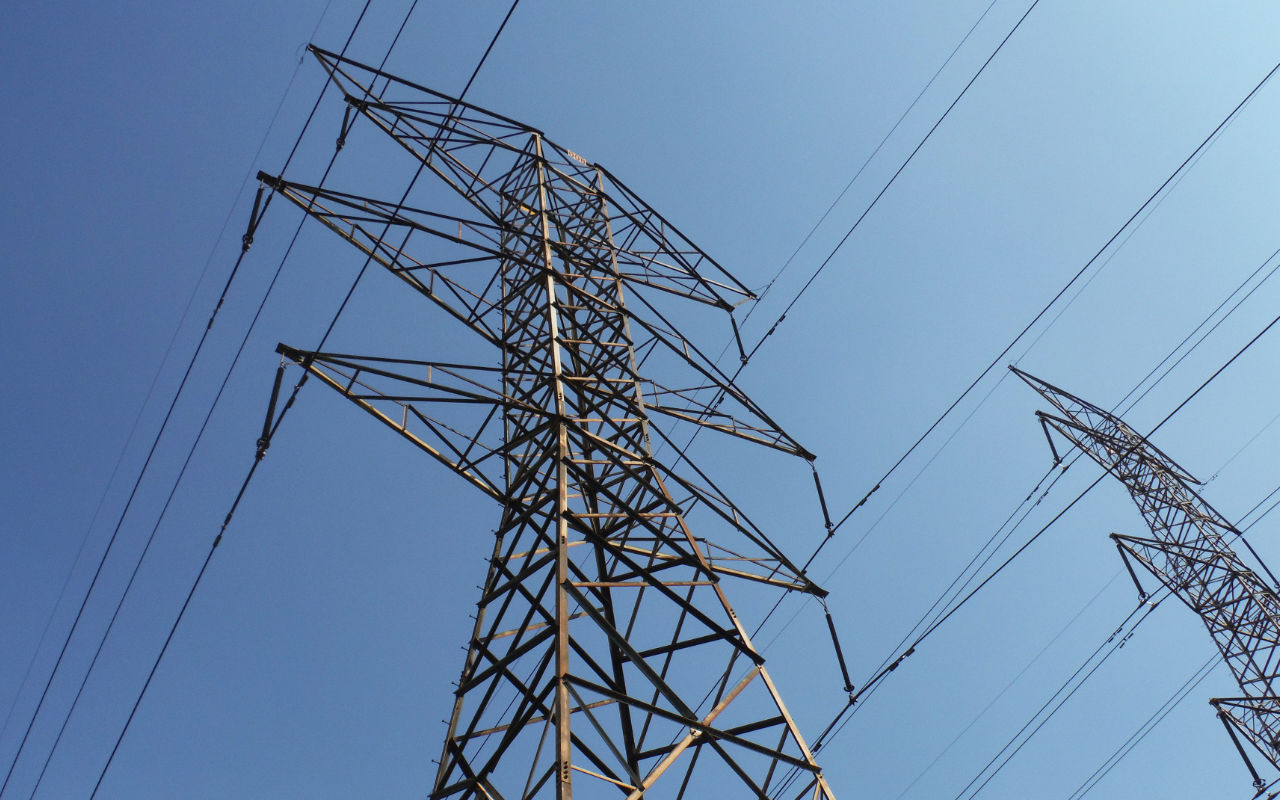
More than a century ago, Hawai’i was already exploring what electricity could make possible.
In 1881, King David Kalākaua traveled around the world to learn about emerging technologies, including electricity. After witnessing demonstrations of electric lighting and meeting Thomas Edison, he returned to Hawai’i with a strong interest in bringing the technology to the islands.
By 1886, ‘Iolani Palace became one of the first government buildings in the world to be illuminated by electricity, years before the White House.
That history reflects something important about Hawai’i: the islands have long embraced new energy technologies while adapting them to unique local needs.
Today, that challenge has taken on a new form.
Hawai’i has made significant progress toward renewable energy, but its isolated island grids also face unique challenges. Severe weather can disrupt transmission and distribution infrastructure, while increasing amounts of renewable generation require greater flexibility, storage, and grid coordination.
Recent Kona Low storms and hurricanes have once again highlighted how extreme weather can affect communities and critical infrastructure across the islands.
The question today is no longer simply how to generate more electricity. It is how to build an energy system that is reliable and resilient.
Part of the answer may lie in moving toward a more distributed and flexible energy system.
Distributed generation can produce electricity closer to where it is needed, and battery storage can store that energy and provide it when demand rises or the grid is disrupted. Energy management systems can coordinate generation, storage, and loads, while microgrids can help critical facilities continue operating when the larger grid is unavailable.
Together, these technologies can create energy systems that are not only cleaner, but also more flexible and resilient.
This is the direction Adon Renewables is working toward.
We develop and integrate solar, battery storage, microgrids, and advanced energy management systems designed around the specific needs of Hawai’i’s communities, businesses, and critical infrastructure.
More than a century after Hawai’i began experimenting with electric power, the technology has evolved dramatically. But the challenge remains familiar: how do we adapt new energy technologies to the needs of the islands?
At Adon Renewables, we believe the next generation of Hawai’i’s energy infrastructure should be built with that question at its center: innovating, adapting, and creating energy systems designed for Hawai’i.
Sources:
Hawai’i State Energy Office. Cultural Narrative. 2022.
Library of Congress. Lighting America: The Early Adoption of Electric Light. 2024.