
Recent power outages across Hawaiʻi following Tropical Storm Lala have underscored how severe weather can disrupt the state’s electric infrastructure and the communities that depend on it.
According to Hawaii News Now, hundreds of thousands of customers were without power at the peak of the outages as crews worked to repair damaged power lines and other infrastructure.
While restoring and strengthening the traditional grid remains essential, events like these also highlight the importance of having additional layers of resilience, particularly for facilities where reliable power is critical to daily operations.
The Role of Microgrids
Hawaiʻi operates six independent electric grids, making reliability and resilience particularly important to the state’s energy future.
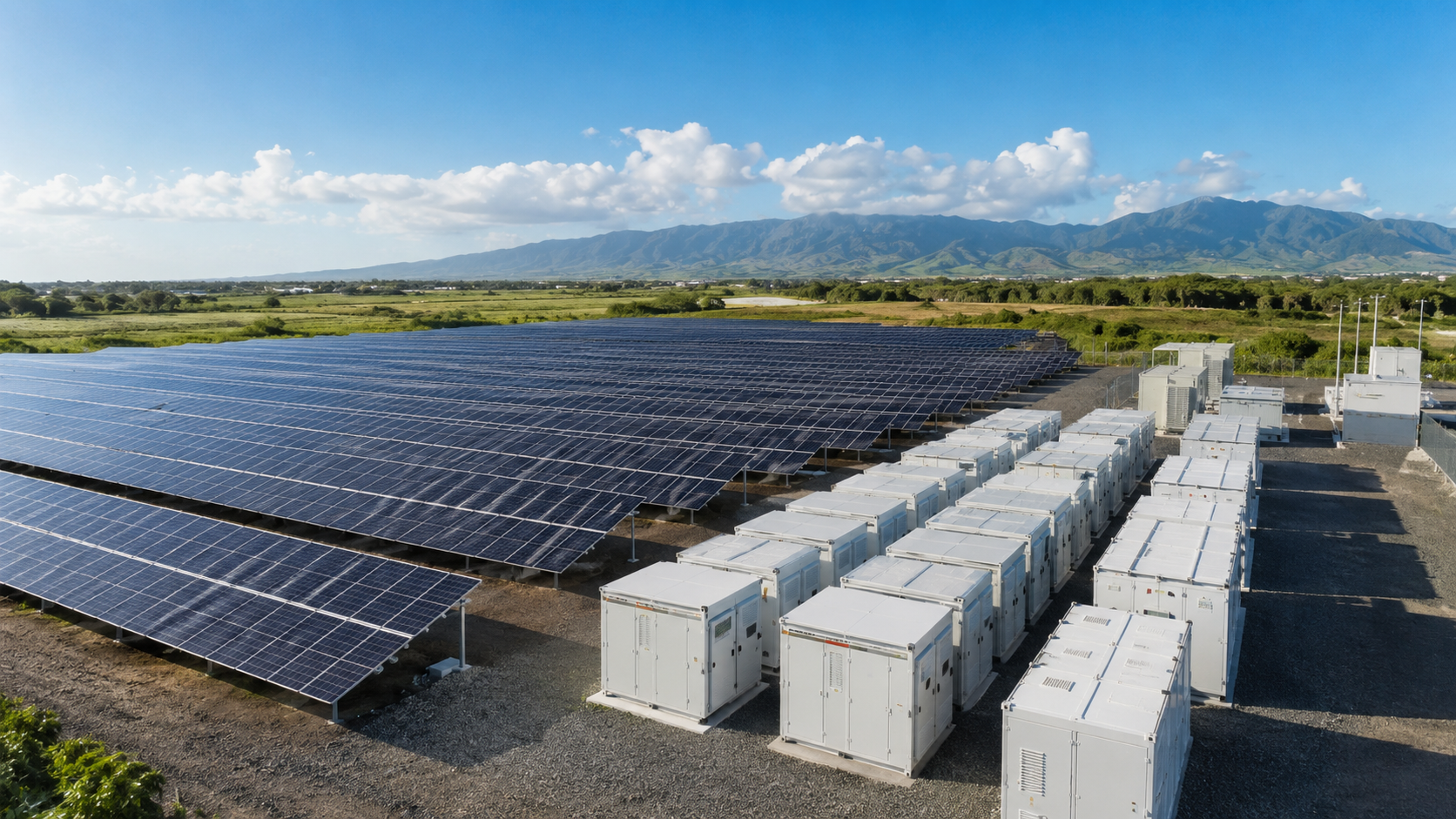
Microgrids can provide an additional layer of resilience by bringing on-site generation, battery storage, controls and other energy resources together into a coordinated system. An Energy Management System (EMS) provides the intelligence behind the microgrid, monitoring conditions and optimizing how energy is generated, stored and consumed.
When designed with islanding capabilities, a microgrid can disconnect from the utility grid during an outage and continue supplying power to designated critical loads. This can be particularly valuable for healthcare facilities, affordable housing, commercial properties, hotels and other facilities where interruptions can have significant operational impacts.
Resilience Beyond the Outage
The value of a microgrid extends beyond emergency backup.
During normal operations, an EMS can optimize when energy is generated, stored and consumed. Battery storage can also help manage peak electricity demand and shift energy usage, allowing the same infrastructure that supports resilience during an outage to provide operational and economic benefits every day.
This makes resilience less about a standalone emergency solution and more about building a smarter, more flexible energy system that delivers value under both normal and disrupted grid conditions.
Building More Resilient Energy Infrastructure
Recent events like Lala serve as a reminder that energy resilience requires more than simply restoring power after an outage. It means building systems that can adapt to changing conditions and continue serving the facilities and communities that depend on them.
For Hawaiʻi, where geographic challenges and multiple independent island grids create unique energy needs, microgrids can provide an important layer of resilience and energy independence.
At Adon Renewables, we develop critical energy infrastructure around those needs. By combining project development, financing and technologies such as microgrids, renewable generation, battery storage and intelligent energy management, we deliver solutions designed to provide long-term value for customers and investors.