
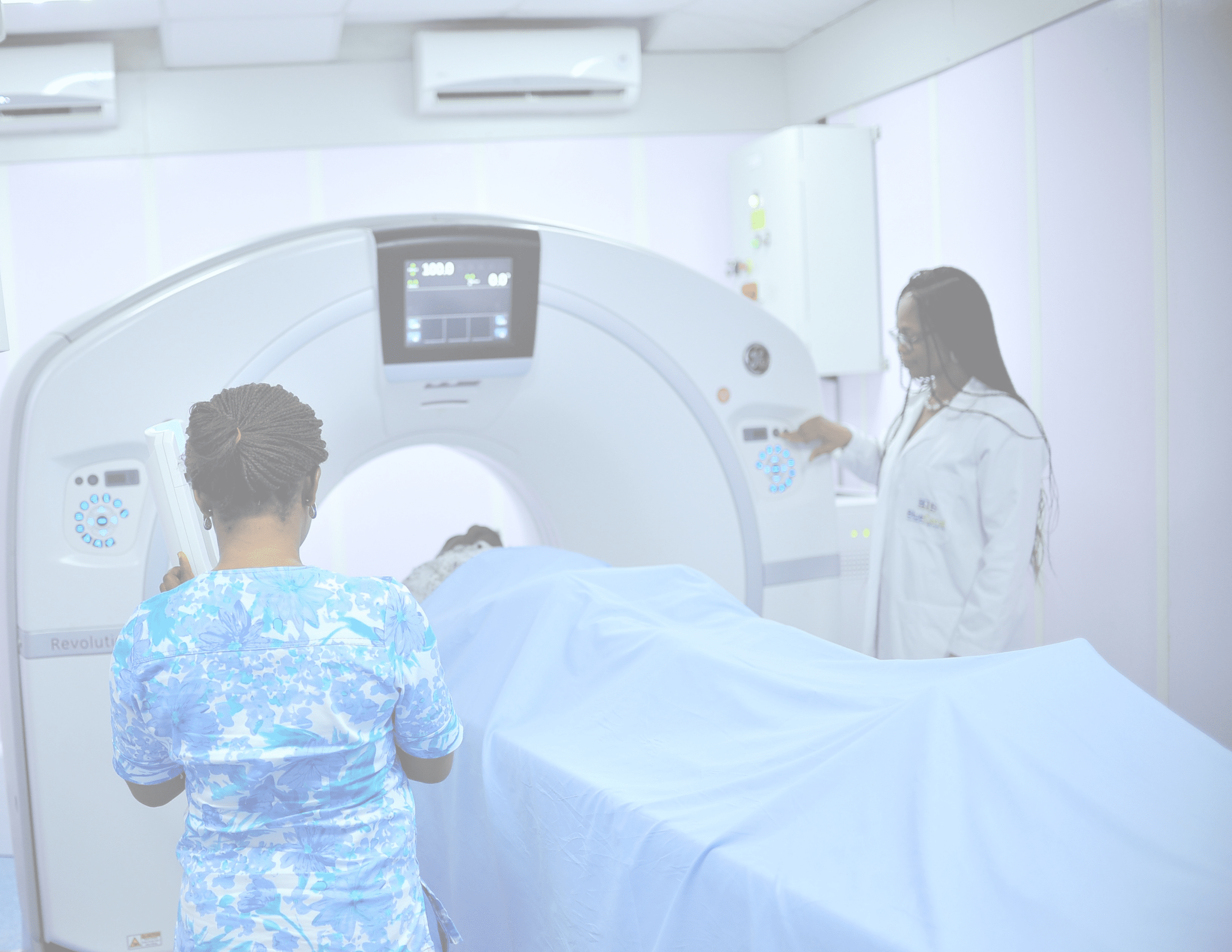
Hospitals operate around the clock, where uninterrupted electricity is essential for patient care, critical equipment, and life-support systems. Even a brief outage can compromise patient safety, disrupt operations, and affect sensitive diagnostic or treatment devices.
A Battery Energy Storage System (BESS) offers hospitals a modern solution to ensure energy reliability. Acting as a large, smart battery, a BESS stores energy during low-demand periods or from renewable sources and deploys it during peak times or power interruptions. This not only guarantees continuous operation but also helps reduce energy costs, optimize energy use, and support long-term sustainability goals. Its modular design allows hospitals to scale capacity as their energy needs grow, providing both resilience and flexibility.
BESS and UPS: Complementary Technologies
While a UPS (Uninterrupted Power Supply) provides backup for critical equipment over short periods, a BESS is designed to supply power for hours, covering the entire facility if needed. Together, these systems create a seamless, reliable power infrastructure: the UPS protects immediate critical loads, while the BESS ensures sustained continuity for the broader hospital operations.
Integrating BESS with Diesel Generators
Many hospitals rely on diesel generators for backup power. While effective for long-duration outages, generators have slower start-up times, fuel dependency, and higher operational costs. Integrating a commercial energy storage with existing generators dramatically enhances energy resilience:
-
Immediate Backup: BESS delivers power in milliseconds during an outage, bridging the gap until the generator comes online.
-
Seamless Handover: Once the generator is online, the BESS can reduce output or continue to provide peak-shaving support, improving fuel efficiency.
-
Energy Management: During normal operations, the BESS stores energy during off-peak hours or from renewable sources, reducing demand charges and lowering energy costs.
Maximizing BESS with On-Site Solar
Last but not least, pairing a BESS with an on-site solar PV system, such as solar carports in hospital parking lots, can further enhance energy resilience and cost efficiency. Solar panels can charge the BESS during the day, storing clean energy for use during peak demand or outages. This approach reduces reliance on the grid, lowers electricity costs, and supports the hospital’s sustainability goals—all while maintaining uninterrupted power for critical operations.
Key Benefits for Hospitals
Implementing a BESS in hospitals provides multiple advantages:
-
Instant backup power for critical areas like ICUs and operating rooms
-
Energy cost savings through peak management and load shifting
-
Scalable system to meet evolving facility needs
-
Integration with renewable energy for improved sustainability
-
Enhanced reliability for continuous, 24/7 operations
By combining BESS, UPS systems, diesel generators, and on-site solar, hospitals can achieve next-level energy resilience, lower operating costs, and reduce environmental impact—ensuring safe, reliable care around the clock.
At Adon Renewables, we deliver top-of-the-line, UL Certified Battery Storage systems built with superior LFP chemistry, known for its low thermal runaway risk and enhanced fire safety. Our systems offer up to 15,000 life cycles, ensuring long-term performance and reliability. Integrated with our proprietary Energy Management System (EMS), they provide intelligent control, optimized load management, and seamless operation.